Moxies Solutions Pvt Ltd.

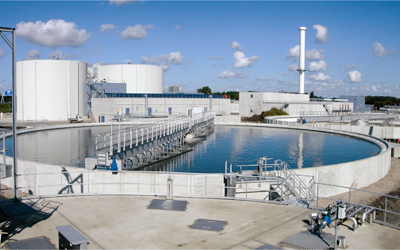
Effluent treatment systems are widely used for recycling of wastewater in industries in order to reduce the demand of water. This type of system uses physical, chemical, biological and membrane processes for treating the effluents before being discharged into the water. The effluent system is provided with all the requisite features that assist in achieving zero-discharge standards laid by statutory authority.
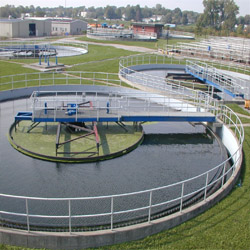
These are capable in offering complete solutions to various waste disposal problems of different industries. They are highly acknowledged for their durability and superior performance. They are used in various industrial applications to treat polluted water.
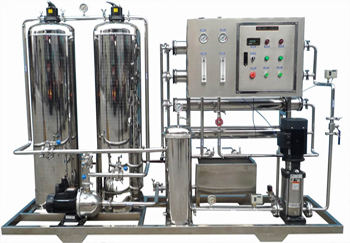
We offer a comprehensive array of Reverse Osmosis Water Plant that is appropriate for the treatment of water and waste water. This assortment assists in removing dissolved matter, both ionic as well as non ionic in a single step. Moreover, this plant is ideal for a huge variety of industrial water purification requirements.
We are engaged in offering Reverse Osmosis Plant which is used in residential, institutional and commercial sectors.
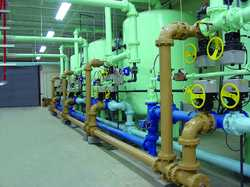
We are an able manufacturers and exporters of a wide range of high quality Water Softening System. Engineered in accordance to ion based technology these products are capable of removing calcium and magnesium ions from water and are available with multiports. These products are available in different shapes, sizes and are built up of different materials like MS, HDPE and FRP materials and are automated, semi-automated and manually operated machines.